High-traffic kitchens chew through countertops faster than a showroom sample ever tells you, and in 2026 the gap between a surface that shrugs off ten years of daily cooking and one that chips by year three comes down to which stone you pick before the slab ever reaches your island.
- Quartzite wins for high-traffic kitchens in 2026 with a Mohs hardness near 7, beating granite and marble on daily abuse. Buy.
- Engineered quartz is the zero-sealing, low-maintenance pick for busy households; granite stays the value workhorse. Both Buy.
- Marble looks best in photos but etches and scratches under daily knife and acid contact. Skip it for a primary island in 2026.
- Soapstone rewards patience with a hand-rubbed patina but needs monthly oiling. Hold unless you want that look specifically.
Why This Matters
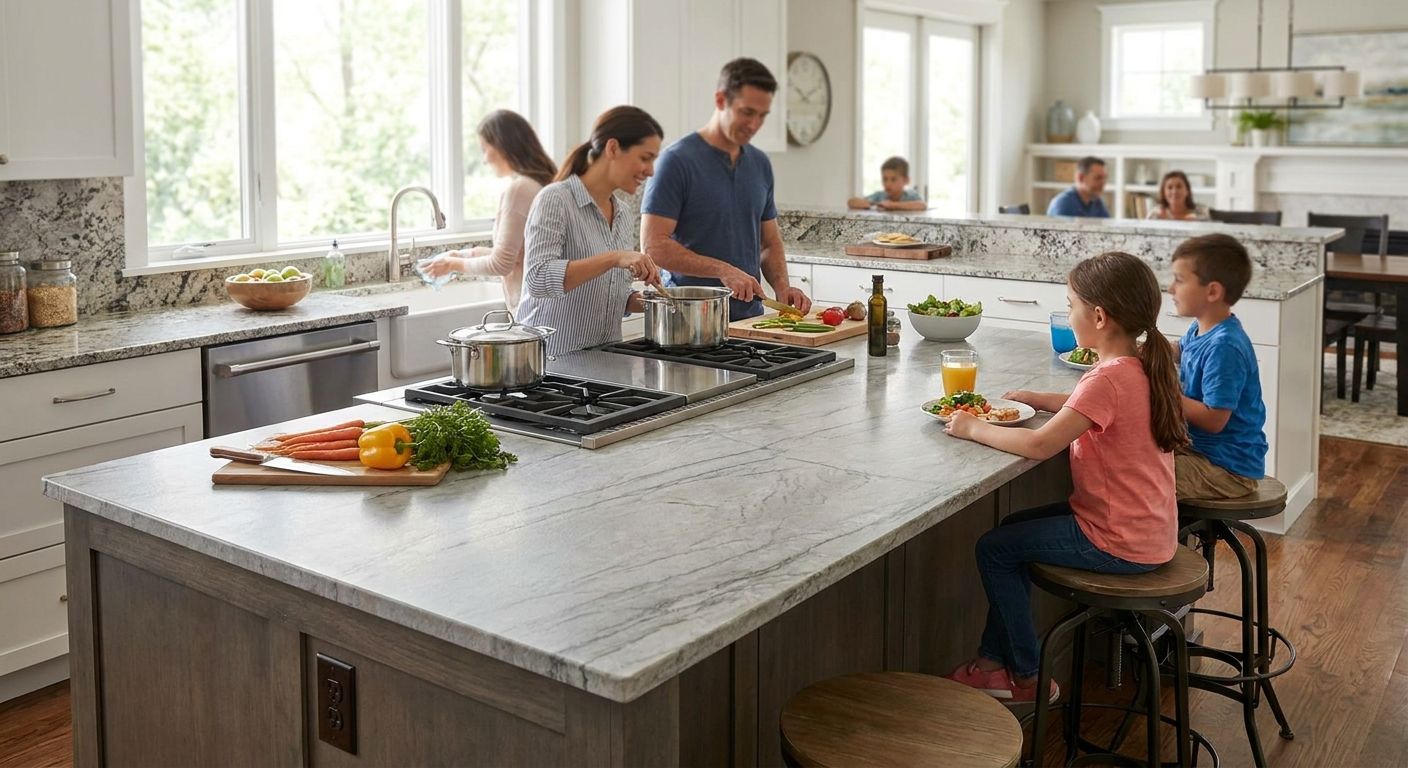
A kitchen that sees three meals a day, two kids, a dog, and a rotating cast of knives, hot pans, and red wine puts more stress on a countertop in one year than a guest bathroom sees in a decade. Soft stones that photograph beautifully in a showroom often fail the exact tests that matter in a busy kitchen: acid etching from lemon juice, scratching from unprotected knife strokes, and thermal shock from a pan pulled straight off the burner.
The fix isn't complicated once you know what to check. Soares Stone fabricates and installs custom quartzite countertops for busy family kitchens across New England, and the pattern is consistent: households that pick stone based on hardness and porosity instead of pattern alone are the ones who aren't refinishing a counter five years later.
How We Ranked
Ranking here weighs four factors that actually predict how a stone performs in daily kitchen use: Mohs hardness (scratch resistance), porosity (staining and sealing needs), heat tolerance, and how forgiving the surface is with kids and pets in the room. These are geological and material properties, not marketing claims, and they hold whether the slab comes from a quarry in Brazil or a fabrication shop in New England.
Each pick below gets a straight verdict: Buy, Hold, or Skip, based on how the material actually behaves under daily cooking traffic rather than how it looks under showroom lighting.
The Ranked List
1. Quartzite — The Toughest Natural Stone Pick
Quartzite sits at roughly 7 on the Mohs scale, putting it in the same hardness class as engineered quartz and well above granite's 6 to 6.5. It's formed from sandstone under heat and pressure, which is why it resists scratching from knives, keys, and daily wear better than almost any other natural stone on the market in 2026.
The tradeoff is porosity — quartzite still needs sealing, typically once a year, to block oil and wine stains. For a family that cooks nightly and wants a natural-stone look without babying it, this is the pick. Verdict: Buy.
2. Engineered Quartz — The Zero-Sealing Pick
Engineered quartz runs roughly 90-93% ground quartz bound with resin, landing it near 7 on the Mohs scale without the sealing requirement natural stone carries. That resin binder is also what makes it non-porous, so spilled marinara or red wine wipes off instead of soaking in.
If you're weighing quartz against quartzite for a specific project, the guide to choosing between quartz and quartzite countertops breaks down which one fits your kitchen's actual use pattern rather than just its budget. For a kitchen that gets used hard every single day, the maintenance-free surface wins. Verdict: Buy.
3. Granite — The Value Workhorse
Granite has been the default high-traffic kitchen stone for decades, and it earns that reputation honestly: 6 to 6.5 on the Mohs scale, naturally heat-resistant enough to set a warm pan on briefly, and available in enough color variation that no two slabs look identical. It costs less than most quartzite and quartz options while still holding up to daily cooking abuse.
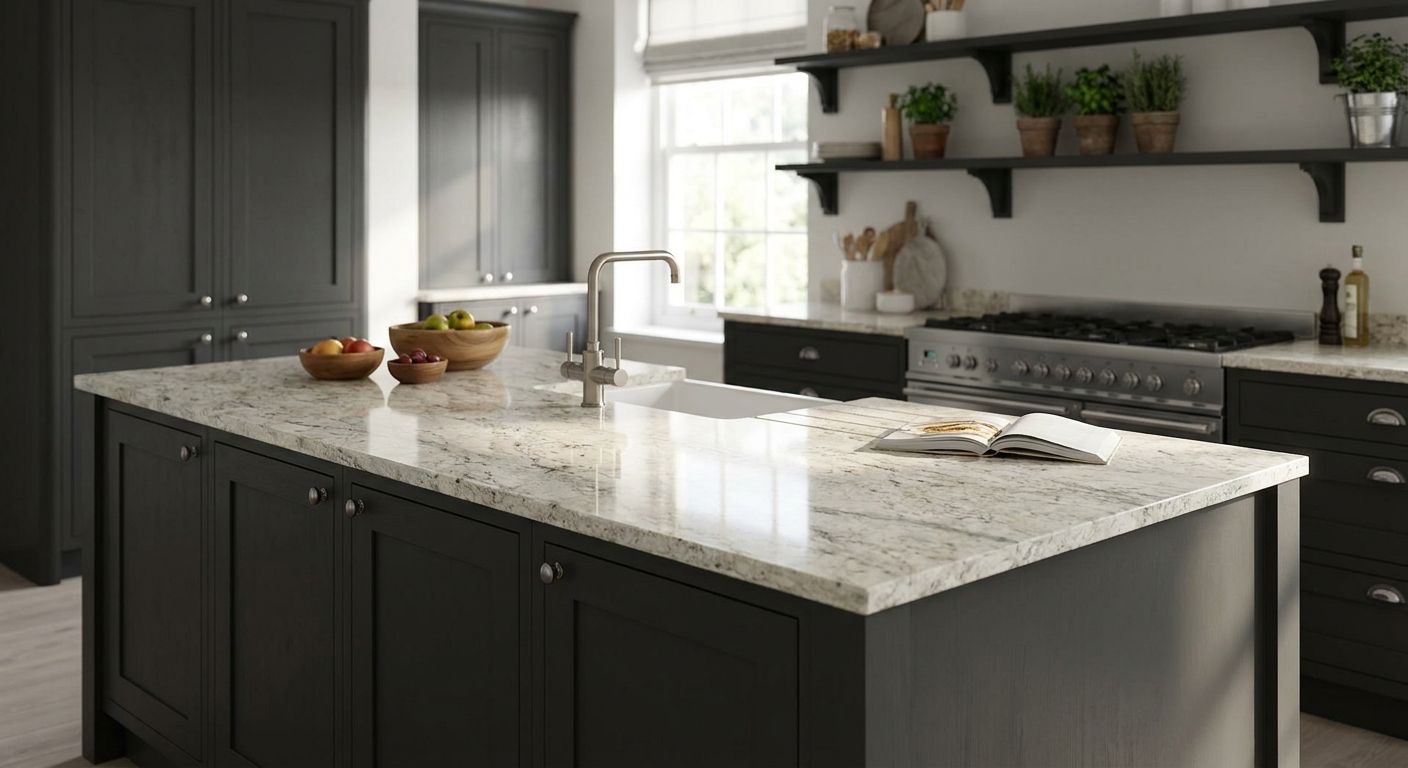
Granite for a kitchen island specifically benefits from a honed or leathered finish if you want to hide the fine scratches that accumulate over years of use — see the options for granite countertops for kitchen islands for finish choices that fit a busy island. Verdict: Buy.
4. Soapstone — The Slow-Living Choice
Soapstone runs soft, typically 2.5 to 4 on the Mohs scale, which means it scratches easily but also takes a mineral oil patina that many homeowners find charming rather than problematic. It's non-porous and chemically inert, so acid from tomatoes or citrus won't etch it the way it does marble.
The catch is upkeep: soapstone needs oiling roughly monthly to maintain that even, dark patina, and dents from dropped cast iron are part of the deal. It works in a farmhouse kitchen where the owner wants that lived-in look, but it's not a fit for a household that wants a surface and forgets it. Verdict: Hold — right for a specific aesthetic, wrong for most high-traffic kitchens in 2026.
5. Marble — The Showpiece That Can't Take a Beating
Marble sits at just 3 to 4 on the Mohs scale, softer than granite, quartzite, and engineered quartz by a wide margin. Lemon juice, vinegar, and wine will etch it within minutes of contact, leaving dull spots that no amount of sealing fully prevents.
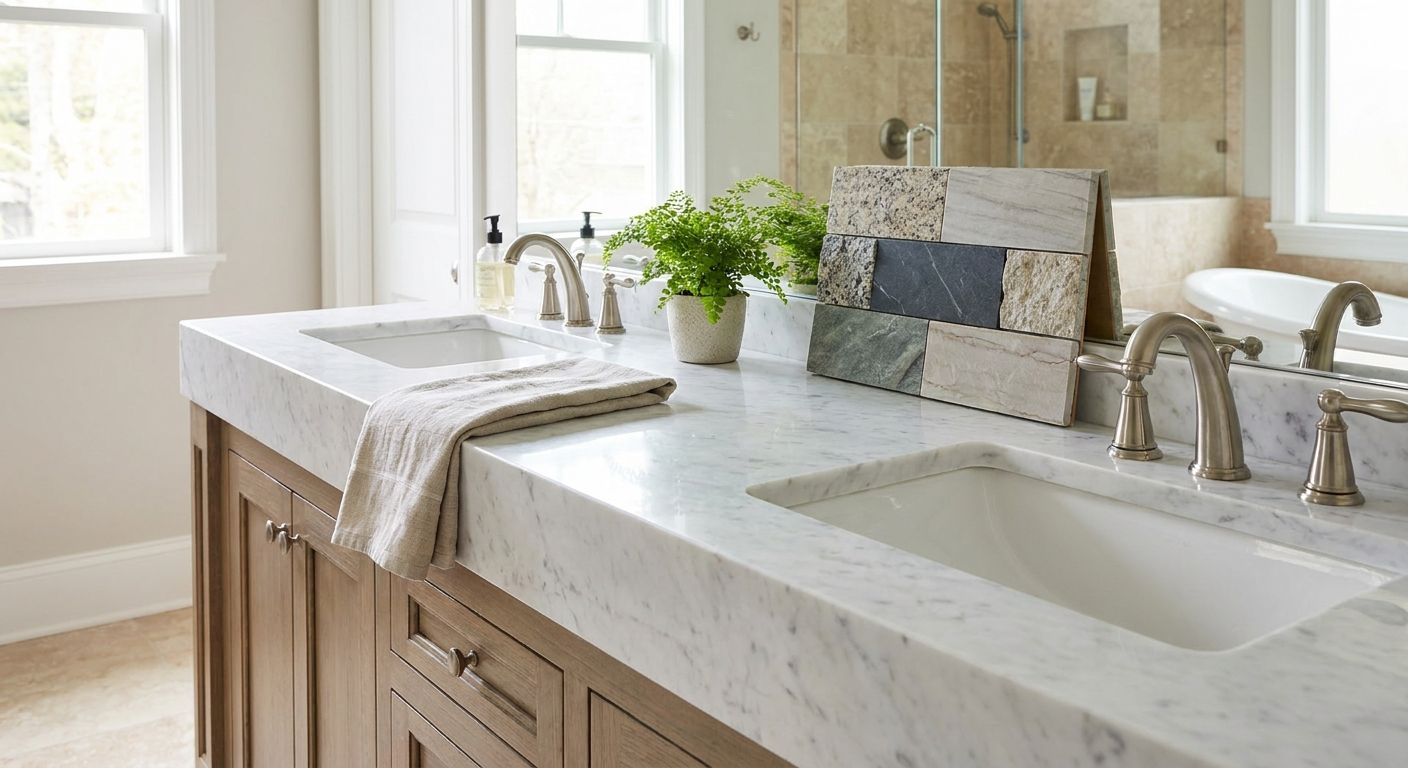
It still has a place — waterfall islands, powder room vanities, fireplace surrounds — but a primary kitchen island that sees daily cooking traffic isn't it. Homeowners who love the veining but need daily durability usually route marble to a bar top or backsplash instead and put a harder stone on the main work surface. Verdict: Skip for the main prep island in a high-traffic kitchen.
Comparison Table
| Stone | Mohs Hardness | Sealing Needed | Heat Tolerance | 2026 Verdict |
|---|---|---|---|---|
| Quartzite | ~7 | Yearly | High | Buy |
| Engineered Quartz | ~7 | None | Moderate | Buy |
| Granite | 6-6.5 | Every 1-2 years | High | Buy |
| Soapstone | 2.5-4 | Monthly oiling | High | Hold |
| Marble | 3-4 | Yearly, still etches | Moderate | Skip |
Where to Buy
Sourcing the right slab matters as much as picking the right material category.
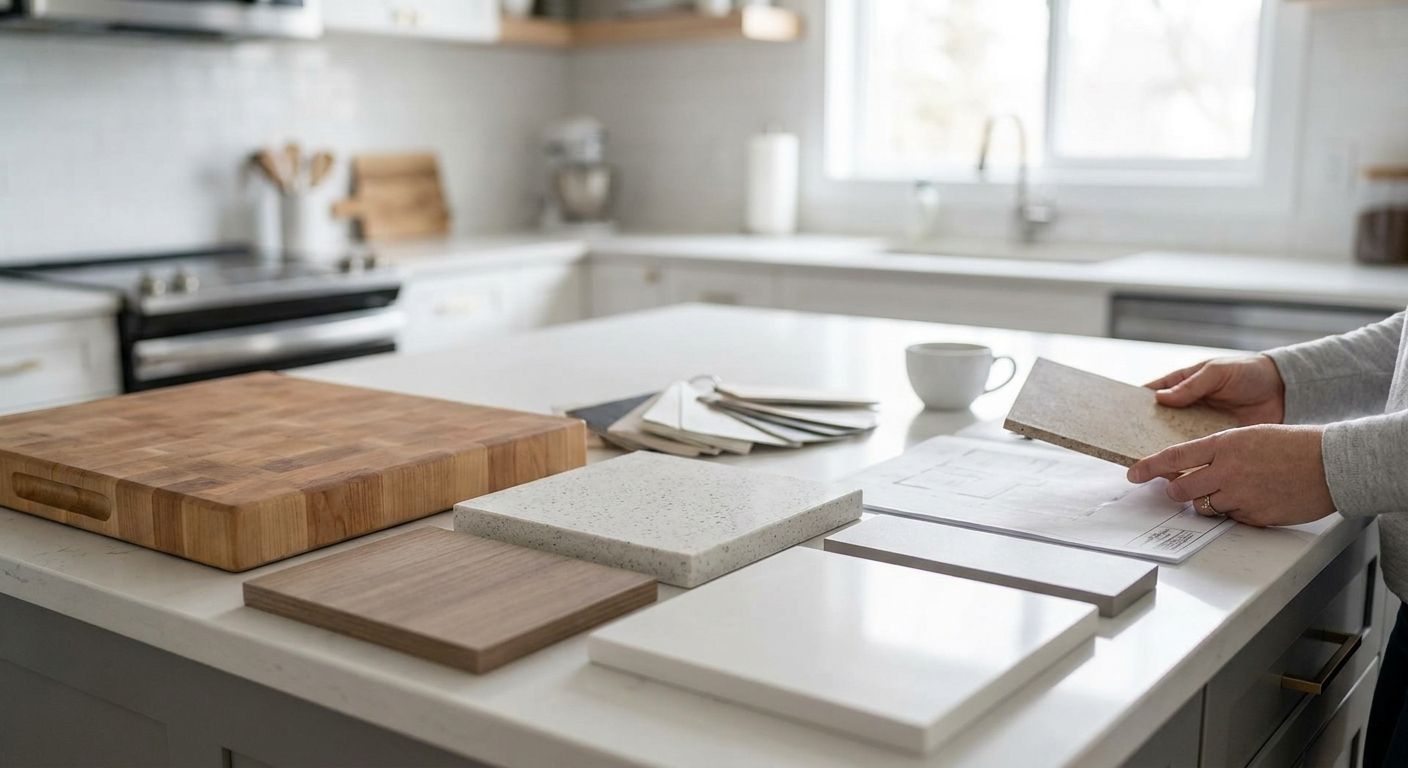
- See the actual slab, not just the sample chip. Natural stone varies piece to piece — quartzite and granite especially — so a 3-inch sample tells you almost nothing about how the veining will run across a 9-foot island.
- Ask who fabricates and who installs. A shop that does both, like Soares Stone, controls the edge work and seam placement instead of handing your slab off to a subcontractor who never saw the original piece.
- Get the finish specified in writing. Polished, honed, and leathered finishes on the same stone perform differently under daily traffic — honed granite hides scratches better than polished granite in a busy kitchen.
Get a free estimate on your kitchen
Soares Stone fabricates and installs custom countertops across New England.
FAQ
What is the best stone surface for a high-traffic kitchen in 2026?
Quartzite and engineered quartz are the best stone surfaces for high-traffic kitchens in 2026, both landing near 7 on the Mohs hardness scale. Granite is a close third and typically costs less.
Is granite or quartzite better for a busy kitchen?
Quartzite is slightly harder than granite (about 7 Mohs versus 6-6.5), so it resists scratching a bit better, but both handle daily cooking traffic well. Granite usually costs less for a comparable slab size.
Does marble work in a high-traffic kitchen?
Marble is not a good fit for a primary high-traffic kitchen island because it sits at only 3-4 on the Mohs hardness scale and etches from lemon juice, vinegar, and wine. It works better on lower-contact surfaces like a fireplace surround or powder room vanity.
How often does quartzite need to be sealed?
Quartzite typically needs sealing once a year to block oil and wine stains from soaking into the stone. Skipping sealing doesn't affect scratch resistance, but it increases staining risk.
Is engineered quartz more durable than natural stone?
Engineered quartz matches natural quartzite on hardness at roughly 7 Mohs and doesn't require sealing, which makes it more forgiving for daily use. Natural stones like granite and quartzite still offer more color and veining variation.
What countertop material is best for kids and pets?
Engineered quartz and granite are the most forgiving stone choices for homes with kids and pets because they resist scratching and don't require frequent sealing. Softer stones like marble and soapstone show wear faster under that kind of daily contact.
Can you put a hot pan directly on granite or quartzite?
Granite and quartzite both tolerate brief contact with a warm pan better than marble or soapstone, but a trivet is still the safer habit for any stone surface. Repeated thermal shock can eventually cause micro-cracking even in harder stones.
How much does a quartzite or granite kitchen island cost in 2026?
Pricing depends on slab size, edge profile, and finish, so getting a quote against your specific kitchen layout is the only way to get an accurate number for 2026. Granite generally runs less than premium quartzite for a comparable size.
One Last Thing
The hardness number on a spec sheet only tells half the story — finish changes how a stone performs just as much as the mineral itself. A honed granite or leathered quartzite hides the fine scratches and fingerprints that show up fast on a glossy polished surface in a kitchen that sees three meals a day, which is why more high-traffic kitchen islands in 2026 are leaving the showroom shine behind for a matte finish instead.